
Led by a team of founders with lived experience as well as professional experience in the fields of correctional education and rehabilitation services, The Triskele Program acknowledges the need for healthy, supportive environments for those transitioning and in recovery. Our organization is entirely focused on providing this Community.
While other programs may focus on spiritual or psychological strategies, The Triskele Program integrates healing of body, mind, and Spirit concurrently. Like the Triskelion itself, our systems are all interconnected. Working toward full Internal Restoration requires healing in all parts of our Selves, as well as building a compassionate Community to support the work.
Services

12-Week Transition Programs
3 meetings a week, a whole-person healing curriculum

Community Support
Built in casual, fun gatherings to build friendships and support

Programming
Seminars and on-going classes in transition topics like parenting, soft skills, nutrition, and literacy

Support for Family and Loved Ones
Programs for children, spouses, and other loved ones to foster support and understanding
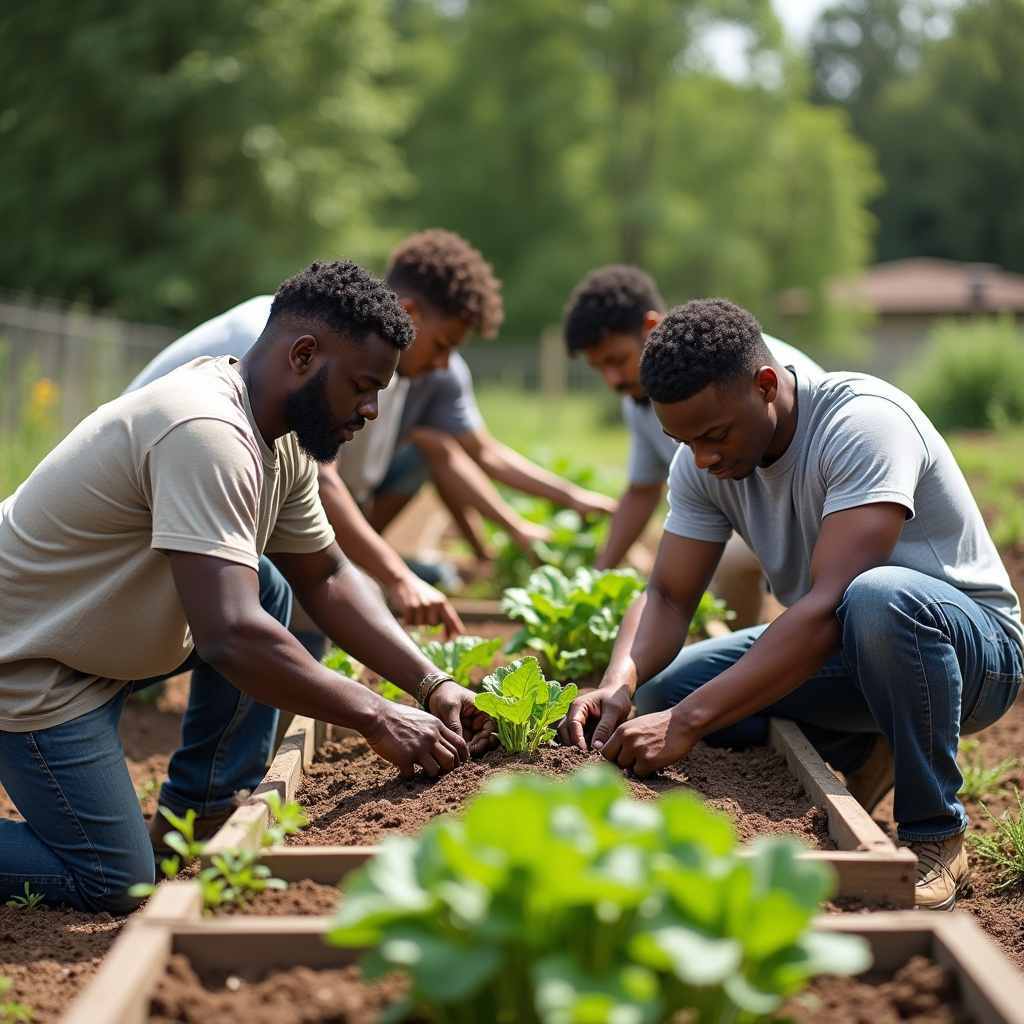
Grounding in Nature
Opportunities to learn about how connecting with Nature supports mental and physical health


Books

Advocacy

Our Foundational Truth
We firmly believe that True Freedom comes from an Internal Restoration: healing in the Body, Mind, and Spirit. Those who have suffered the trauma of substance abuse, homelessness, incarceration, or other trauma, carry that trauma in their bodies, as well as their psyches and Spirits. We firmly believe that Nature, Community, and Compassion are the most beneficial path to Internal Restoration.
Our Mission
Our mission is to foster true justice by aligning body, mind, and spirit for individuals who have suffered trauma from the Justice or Carceral systems or from substance abuse. We help individuals reach Internal Restoration by healing their bodies, restoring relationships and building accountable communities that support their paths towards spiritual fullment .
The Triskele Program is unique in that our approach focuses on building Community, first and foremost. While other programs may focus on spiritual or psychological strategies, The Triskele Program integrates healing of body, mind, and Spirit concurrently. Like the Triskelion itself, our systems are all interconnected. Working toward full Internal Restoration requires healing in all parts of our Selves, as well as building a compassionate Community to support the work.
The Meetings

Participants attend three meetings per week.
The first meeting is an Open Safe Space where everyone has the chance to speak and receive support and feedback. These meetings are led by a coordinator who may facilitate conversation, but are largely participant-led.
The second meeting is an Accountability Group. This serves as more of the traditional "check-in." At each meeting, participants will use the Workbook to make SMARTER goals for the coming week, and will report on their ability to meet the last week's goals. Goals are completely individualized, but participants can receive feedback and encouragement both from their coordinator and their peers
The third meeting of the week generally occurs on Friday or Saturday night and is our Community meeting. These meetings may take place at nature reserves or coffee shops depending on the group. This meeting is meant to help participants build a new community that understands their situation and is supportive. Community meetings are informal. and are meant to provide a template for how to have fun and find joy in healthy, sober ways.
The Curriculum

The 12-Week Transition Program utilizes The Triskele Program Workbook to guide participants through an integrated approach to healing the body, mind, and spirit after incarceration and substance abuse using both science-based evidence and spiritual practice to develop tangible skills. Participant learning outcomes include:
-
understand the way the brain and body interconnect
-
develop and sustain healthy physical habits in diet, sleep, and exercise
-
understand and repair damage done by substance abuse
-
strengthen or develop key literacy skills
-
develop critical analysis and response skills
-
cultivate a practice of situation-based response
-
establish key civic and economic habits
-
establish or strengthen key relationships
-
cultivate a habit of introspection and self-awareness
-
develop socio-emotional understanding for healthy interpersonal success
-
create or maintain spiritual belief systems
The Community

No one can do it all alone. The Community is there for everyone involved in The Triskele Program: current participants, alumni, allies, families. We offer an SOS system, weekly outings and get-togethers, and wholesome "third-space" opportunities.
The Farm

The Farm
A key element of The Triskele Program is Grounding, a habit of engaging with the Natural World. Initially, nature walks and gatherings in parks will be established. As the program grows, though, we hope to found The Triskele Farm where participants can come to take part of and learn more about organic farming and clean-eating in a fun, supportive environment.
The Vision: Triskele Village

Eventually, our vision is to bring the entirety of the program into a single location where we can offer full-time rehabiliation services and host on-going programs for the Triskele Community. We call our vision Triskele Village, a 3 tiered business model that encompasses farming, culinary arts, rehabilitation, and curiosity development not just for participants, but for the larger Community as a whole. Triskele Village represents our own practice of setting Goals, both big and small, as a model for our entire community.
Our Story

What do you do when you see that something isn't working?
This is the question we each were considering from our individual perspectives. Each of us was intimately familiar with "the system" from different viewpoints and were constantly frustrated by the ineffectiveness we observed. As individuals, it seemed impossible to make any meaningful impact.
Luckily for us, the Universe brought us together. We realized that, like the triskelion itself, we could work together from our unique perspectives to put together a program that we could see having a meaningful impact, reducing the recidivism we witnessed so often.
We have dedicated ourselves to this program not for profit or accolade but because we care, deeply, for those we see being impacted by addiction, rehabilitation, incarceration, and all of the related factors of those systems.
Board Members

Joline Scott-Roller, MA, MFA
Executive Director
Joline has been teaching in higher education for over fifteen years. In the past decade, she has specifically been designing curriculum and teaching for Ashland University’s Correctional Education program, one of the nation’s oldest and largest Pell Grant funded programs. Joline has a background in psychology and creative writing, which has driven work in success centers, arts-based support programming, and the foundation in 2025 of The Triskele Program. She is based in North East Ohio and attends conferences and symposiums across the country.

Scott McCune, CDCA
Participant Support Coordinator
Scott McCune is a passionate advocate for recovery, reentry, and community transformation. Drawing on his personal journey, lived experience of incarceration, and years of experience in the rehabilitation field, Scott highlights the importance of resilience, second chances, and creating pathways to purpose and opportunity. Scott operates a 6-acre homestead in Sandusky, Ohio, where he studies and practices organic agriculture while building a life rooted in purpose, service, and sustainability.

Nicholas Weider
Data Management and Fiscal Officer
Nicholas has over 14 years of expierence at the intersection of substance use treatment and criminal justice. With a background in Psychology, he has led a CQI department for over a decade, successfully maintaining ACA, DRC, PREA, and CARF accreditations. He brings deep understanding of how to build systems that truly serve people. Now working in data analysis, his passion for technology and evidence-based approaches drives his deep commitment for expanding compassionate, effective solutions for behavioral health and recidivism reduction.
Where You Can Find Us Next
.png)
.png)

Get Involved
Help us fuel the mission of internal restoration. Whether you offer your time, resources, or advocacy, your contribution creates a ripple of hope and freedom in our community.
Volunteer
Share your skills and time to support healing and restoration.

Donate
Your financial support provides resources for vital programs.

Partner
Collaborate with us to build a more accountable community.

Join, Support, Collaborate